What the study shows
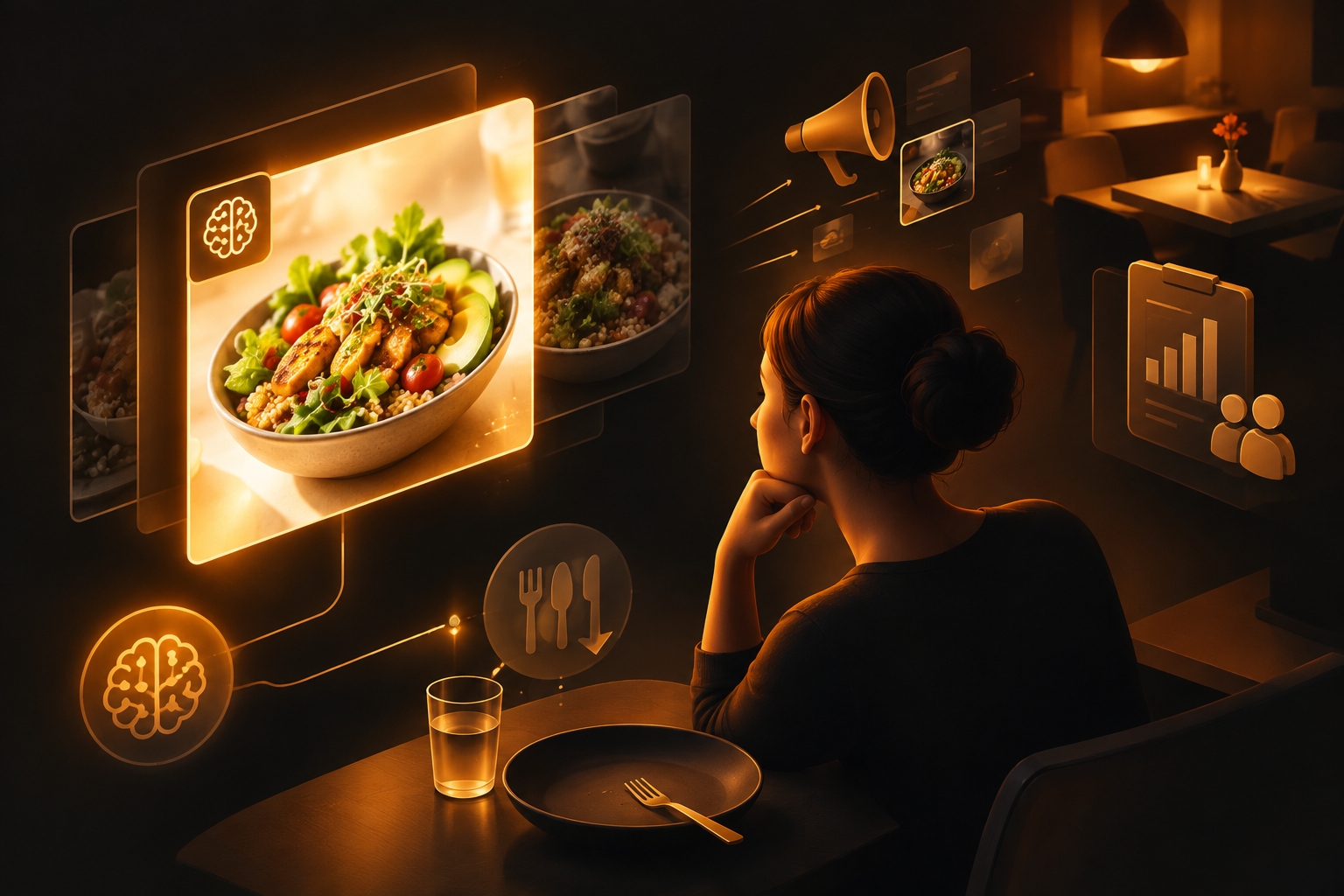
An international team led by psychologist Alexander Diel of the LVR University Hospital Essen (University of Duisburg-Essen) examined how AI food images affect people and published the results in the journal Nature. 87 people took part in an online test and saw 60 image pairs, each consisting of a real photo and an AI photo of the same food, such as a scoop of vanilla ice cream or grapes. Without knowing which image was real, they rated on a scale how realistic the image looked, how willing they were to eat the food, and how healthy and calorie-rich it seemed.
The result: the AI images were on average rated as less realistic and triggered slightly less appetite than the real photos. There was no difference in the estimates of calories and healthiness.
Possible explanation
Diel suspects the image may look "too perfect", for example with surfaces that are too smooth or too symmetrical, or with other visual flaws. People are generally cautious about unfamiliar food, and anomalies in images often look off-putting.
Background
In practice, some restaurants use AI for menus, for instance because professional graphic design is often no longer affordable for small businesses and weekly menus change quickly. The German Hotel and Restaurant Association (Dehoga) cites cost, time, availability and speed as reasons from the businesses' perspective. According to Dehoga, reliable figures on how widespread AI menus are in Germany do not exist.
There were also problems at the delivery platform Lieferando (Just Eat Takeaway): in some cases AI photos deviated strongly from the product descriptions, for example a chicken burger with buns made of rice instead of bread. The company apologised for inaccurate images, said a test had not worked straight away, and has suspended the use of the tool; it said it is working on removing the images.
Assessment
The study suggests that AI food images do not automatically look like real photos. For businesses that want to use AI images on menus or in advertising, authenticity could matter more than cost savings if guests later fail to recognise the dish shown. Dehoga stresses that authenticity is "the core of the gastronomic promise". It remains open how far the results from an online test with 87 people apply to real menus.
Sources
Editorially owned by Ideal Syka. Sources and method: Newsroom & method. Tips and corrections: ai@i6eal.de.